
What does Romford Homecare Limited offer?
Our Mission
How we provide care and support focused on purpose and better outcome. Both physical and emotional impairments could result in poor health, injury, harm and ultimately death. We give priority to ‘the purpose of supporting people to move forward with their own goals and preventing them from going backwards in their general wellness.’
One of our aims is the real improvements the individuals can see that their quality of life and the positive outcomes are the results of the care delivered to them by us. The value of outcome orientated care is immense. It helps to create a better future for our service users and moves us closer to the person-centred care. It’s a catalyst for change from improving confidence and the feeling of security to better health and social connectedness. It’s about the individual as a whole – and that’s what counts when it comes to more personalised care.

Our Mission
How we provide care and support focused on purpose and better outcome. Both physical and emotional impairments could result in poor health, injury, harm and ultimately death. We give priority to ‘the purpose of supporting people to move forward with their own goals and preventing them from going backwards in their general wellness.’
One of our aims is the real improvements the individuals can see that their quality of life and the positive outcomes are the results of the care delivered to them by us. The value of outcome orientated care is immense. It helps to create a better future for our service users and moves us closer to the person-centred care. It’s a catalyst for change from improving confidence and the feeling of security to better health and social connectedness. It’s about the individual as a whole – and that’s what counts when it comes to more personalised care.
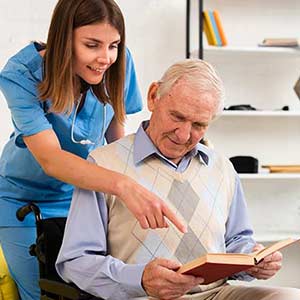
Now the questions become how we achieve positive outcomes? There are some key areas:
- Listening to what the service user wants to do – Observing what is happening and intervening with assistance to the individuals in his functional needs.
- Monitoring outcomes and documenting to identify gaps in training and skills.
- Planning and implementing improvements based on the evidence obtained.
- Taking note of the actions being taken and the outcome expected.
- Using both positive and negative feedbacks to improve and develop staff skills.
- Providing regular updates to the individuals, family members and the regulatory boards (CQC) about the progress of individuals’ life.
How we deliver personalised care and support in accordance with the needs not just on eligibility.
We empower people to have greater choice and control over the way their health is looked after and care delivered. It is fundamental to the changes the UK Government and Health and Social Care think tanks are seeking to make over the next few years.
We take practical steps to deliver personalised care and support to our users in accordance with ‘the National Voices Guide to Care and support planning’. Our users, family members, professionals and our staff have roles to play and we consider all those together, with preparation , discussion , documentation and review.

How we deliver personalised care and support in accordance with the needs not just on eligibility.
We empower people to have greater choice and control over the way their health is looked after and care delivered. It is fundamental to the changes the UK Government and Health and Social Care think tanks are seeking to make over the next few years.
We take practical steps to deliver personalised care and support to our users in accordance with ‘the National Voices Guide to Care and support planning’. Our users, family members, professionals and our staff have roles to play and we consider all those together, with preparation , discussion , documentation and review.

Preparation:
We hold a conversation or a meeting with the users/family members and other relevant professionals to discuss professional needs and preparation for the care and planning for support. We try to gather relevant information about the individual’s current health situation and care needs and possible options for care and support that can be explored.Some key considerations in making this preparation are:
- Identifying professionals involved in the individuals’ care.
- Gathering the individuals’ information being shared between these different professionals/services.
Discussion:
This is the main step we take focusing on the relationship and dialogue between the individual, carer and care practitioner for preparing the personalised care and support planning.
- Discussing with a flexible framework to prepare the individuals for Personalised care and support planning.
- Initiating a partnership approach by discussing the individuals’ needs, feelings and ideas.
- Recognising the knowledge, skills and assets that the prospective Service User and carers needs to have.
- Setting goals and developing an action plan for service within a framework of minimised risks.
- Planning for the future and contingency plan.
- Discussing, managing and enabling risk
- Taking consent for information governance
- Acting for the best interests of the person having lack of capacity in accordance with the Human Rights Act 1998, the Equality Act 2010 and the Mental Capacity Act 2005.
- Exploring options and offering choice

Discussion:
This is the main step we take focusing on the relationship and dialogue between the individual, carer and care practitioner for preparing the personalised care and support planning.
- Discussing with a flexible framework to prepare the individuals for Personalised care and support planning.
- Initiating a partnership approach by discussing the individuals’ needs, feelings and ideas.
- Recognising the knowledge, skills and assets that the prospective Service User and carers needs to have.
- Setting goals and developing an action plan for service within a framework of minimised risks.
- Exploring options and offering choice
- Planning for the future and contingency plan.
- Discussing, managing and enabling risk
- Taking consent for information governance
- Acting for the best interests of the person having lack of capacity in accordance with the Human Rights Act 1998, the Equality Act 2010 and the Mental Capacity Act 2005.

Documentation and Review:
We capture all the key points and make document of the personalised care and support that needs to meet the proportionate needs, reflecting the person’s wishes and aspirations. When someone feels happy that they are managing their condition well, the care planning discussion and the written care plan may be fairly short, provided both parties agree.
Alternatively, for someone with fluctuating or complex needs, they may need to consider a number of different scenarios and plans for each of these. For such a situation we include:
- A detailed risk assessment relevant to all the individuals involved in the care and support.
- Recording information of the individual depending on needs and type of care – including name, contact details, date of birth, NHS number, next of kin, the key decision maker, consent status, date of care , additional sources of support e.g. family, peers, community, social networks, recreational and leisure and/or spiritual and cultural needs, employment status, equipment needed e.g. hoists, wheelchairs etc.
- Views of the individuals, family members and carers and other professionals (for example, what is important to them,perceptions about their health and care, medical history and areas of concern and priorities).
- Communication and access support needs e.g. need for interpreter, preferred spoken language, functional status, disabilities, and specific requirements.
- Current medication and possible side effects, allergies and adverse effects.
- Details of the goals and outcomes of care and support arrangements identified about, what have been agreed and signing them off. (i.e. Description of the goal, action, level of confidence).
- Contingency planning including crisis care planning, identifying trigger points and early warning signs and the barriers to achievement and unmet needs.
- Details of continuous reviews including progress, goals, needs, changes of health (mental and physical) and wellbeing etc. And points of learning from the review.

Alternatively, for someone with fluctuating or complex needs, they may need to consider a number of different scenarios and plans for each of these. For such a situation we include:
- A detailed risk assessment relevant to all the individuals involved in the care and support.
- Recording information of the individual depending on needs and type of care – including name, contact details, date of birth, NHS number, next of kin, the key decision maker, consent status, date of care , additional sources of support e.g. family, peers, community, social networks, recreational and leisure and/or spiritual and cultural needs, employment status, equipment needed e.g. hoists, wheelchairs etc.
- Communication and access support needs e.g. need for interpreter, preferred spoken language, functional status, disabilities, and specific requirements.
- Views of the individuals, family members and carers and other professionals (for example, what is important to them,perceptions about their health and care, medical history and areas of concern and priorities).
- Current medication and possible side effects, allergies and adverse effects.
- Details of the goals and outcomes of care and support arrangements identified about, what have been agreed and signing them off. (i.e. Description of the goal, action, level of confidence).
- Contingency planning including crisis care planning, identifying trigger points and early warning signs and the barriers to achievement and unmet needs.
- Details of continuous reviews including progress, goals, needs, changes of health (mental and physical) and wellbeing etc. And points of learning from the review.

Our ways of supporting people by accessing appropriate community facilities
We provide supports to our users for accessing a wide range of facilities and services in our area of our location, relevant for health and social care supports. This is a partnership of our works with social workers, occupational therapists and other professionals to support our users , as experts in their own lives, to reach their potential and focusing on what matters to them.
It is our plan to involve ourselves with a series of key activities to build in the area of our location a partnership with the voluntary and community sector and the joint work of the Local Care Strategy.
In this way we will involve ourselves in the change of social care model and building a new relationship between the Council and their residences.
This change focuses on how we support people to be as independent as possible and regain control of their lives, and promote their citizenship, valuing the contribution and connections to the community .This will achieve our service outcomes such as:
- Supporting individuals to live as independently as possible with individually tailored solutions that promote their strengths by utilizing community assets.
- Empowering and supporting our users who have experienced harm or abuse to achieve the desired outcomes and have control over key decisions.
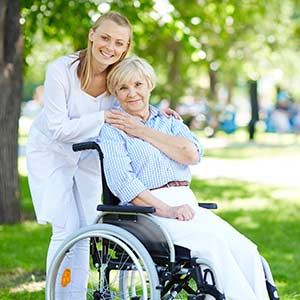
In this way we will involve ourselves in the change of social care model and building a new relationship between the Council and their residences.
This change focuses on how we support people to be as independent as possible and regain control of their lives, and promote their citizenship, valuing the contribution and connections to the community .This will achieve our service outcomes such as:
- Supporting individuals to live as independently as possible with individually tailored solutions that promote their strengths by utilizing community assets.
- Empowering and supporting our users who have experienced harm or abuse to achieve the desired outcomes and have control over key decisions.

How we protect vulnerable adults and safeguard them from harm, abuse or neglect.
As an adult social care provider, it may be thought of as abuse or neglect if we cause harm to someone or do not do the things we should to prevent harm. It is important that we know the ways of working to safeguard adults in our workplace. Our policies and procedures meet the Care Quality Commission’s Fundamental Standards of Quality and Safety. We also follow the Code of Conduct for Health and Social Care Support Workers in England.
In respect of our duties relevant to safeguarding, our initiatives include:
- Empowering people for their dignity and rights and encouraging them to make their own decisions and give informed consent.
- Taking preventative actions before harm occurs such as maintaining communication between services, strong staff recruitment process and sharing important information appropriately.
- Responding proportionality – the least intrusive and appropriate to the risk such as management support or presence. – Supporting individual’s protection and representation for those in greatest need.
- Ensuring partnership work and going for local solutions through services working with the communities. As an example- taking on board families and friends, and professionals involved with the individuals receiving care and support in making decisions about their care.
- Playing a part with the individuals and the community to prevent, detect and report neglect and abuse.i.e. identifying signs of abuse; give learning and development opportunities for workers.
- Being accountable and transparent in delivering safeguarding. (Regular service monitoring, taking complain or concern seriously and going for immediate and rapid actions.)

In respect of our duties relevant to safeguarding, our initiatives include:
- Empowering people for their dignity and rights and encouraging them to make their own decisions and give informed consent.
- Taking preventative actions before harm occurs such as maintaining communication between services, strong staff recruitment process and sharing important information appropriately.
- Responding proportionality – the least intrusive and appropriate to the risk such as management support or presence. – Supporting individual’s protection and representation for those in greatest need.
- Ensuring partnership work and going for local solutions through services working with the communities. As an example- taking on board families and friends, and professionals involved with the individuals receiving care and support in making decisions about their care.
- Playing a part with the individuals and the community to prevent, detect and report neglect and abuse.i.e. identifying signs of abuse; give learning and development opportunities for workers.
- Being accountable and transparent in delivering safeguarding. (Regular service monitoring, taking complain or concern seriously and going for immediate and rapid actions.)

How we support people to feel confident in managing their own care.
It is a fundamental step to achieve our aim of ensuring a better care, better health and better value to our users. It is evident that people having knowledge, skills and confidence to self-care can live with more ‘activated’ healthier lives, with better outcomes.
However, a large number of people with long-term conditions don’t feel they have the ability to manage their own health and care. So we need to do more to support people to be confident in self-care by using our systematic service facilities which take any potential risk into account.
We make sure our services provide people with safe, effective, compassionate and high-quality care. What we do:
- We provide care and support by improving outcomes through mutual care planning.
- We monitor our service for people to stay well and respond to users’ needs in any circumstance.
- We take all necessary initiatives to protect people who are involved in our services.
- We do signposting to support our people for accessing to community based support along withissues of needs relevant to health and social care.
- We encourage our users, through delivering information of tailored health coaching or self-management education, to try to build the confidence and skills required to manage their conditions,.
- We are committed to build a coordinated approach, with access to services when needed, so people can feel supported to self-care and self-manage.
- We work together so that our users can make their life simpler, more effective and more efficient.
- Our support helps people to get access to education, health and community care, meeting halls, libraries, places of worship, burial grounds and emergency services.
- We operate in the neighbourhood with a focus on (if possible) more use of technology to enable social contact and help people live more independently at home.
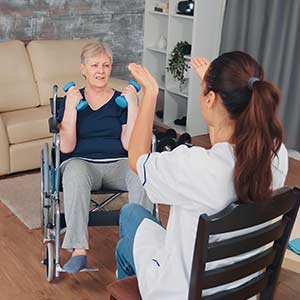
We make sure our services provide people with safe, effective, compassionate and high-quality care. What we do:
- We provide care and support by improving outcomes through mutual care planning.
- We monitor our service for people to stay well and respond to users’ needs in any circumstance.
- We take all necessary initiatives to protect people who are involved in our services.
- We do signposting to support our people for accessing to community based support along withissues of needs relevant to health and social care.
- We encourage our users, through delivering information of tailored health coaching or self-management education, to try to build the confidence and skills required to manage their conditions,.
- We are committed to build a coordinated approach, with access to services when needed, so people can feel supported to self-care and self-manage.
- We work together so that our users can make their life simpler, more effective and more efficient.
- Our support helps people to get access to education, health and community care, meeting halls, libraries, places of worship, burial grounds and emergency services.
- We operate in the neighbourhood with a focus on (if possible) more use of technology to enable social contact and help people live more independently at home.